MVP vs. full build: which should you start with?
When to ship a lean MVP and when to commit to the full build — a practical framework for founders deciding where to start.
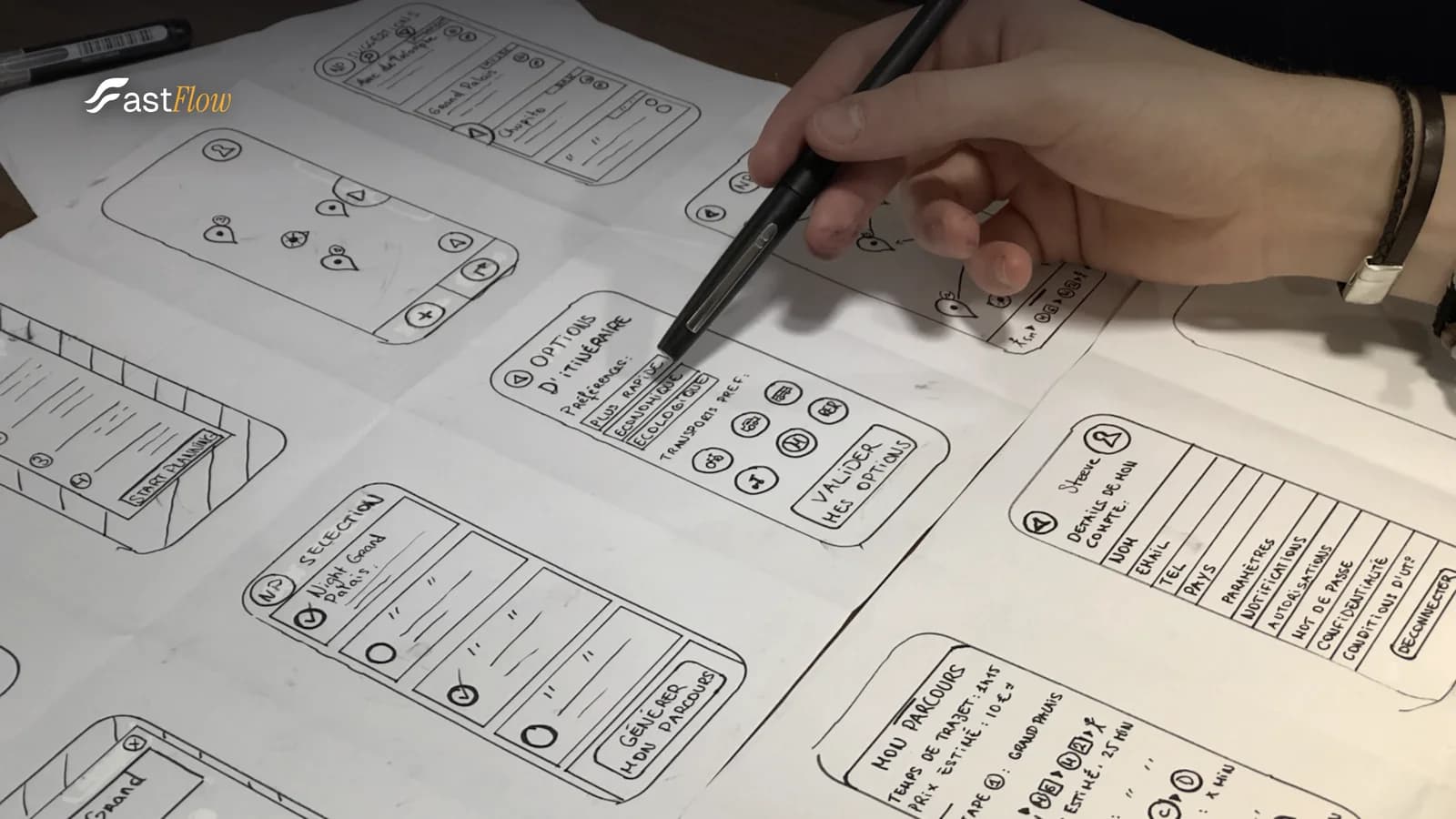
What an MVP really is (and isn't)
An MVP — minimum viable product — is the smallest version that delivers real value to real users. The keyword is viable: it has to actually work and be worth using. An MVP is not a broken demo, and it's not "version one of everything done halfway." It's one core workflow, done well enough that people can rely on it and you can learn from how they do.
When to start with an MVP
- Demand is unproven. You believe people want this, but no one has paid or committed yet. An MVP buys you that proof cheaply.
- You need to learn fast. Real usage tells you things no amount of planning will. Getting something usable into hands early is the whole point.
- Budget or timeline is tight. A focused MVP gets you to market in weeks and creates momentum (and often the revenue or traction) to fund the rest.
When to go straight to the full build
- Demand is already proven. You have paying customers, a waitlist, or a contract. The question isn't whether — it's how well.
- The product only makes sense complete. Some tools deliver no value until the core set of features exists together; a sliver wouldn't be viable.
- You're replacing something people depend on. If a system already runs the business, a partial replacement creates more problems than it solves.
MVP vs. full build at a glance
| MVP | Full build | |
|---|---|---|
| Risk it answers | Do people want this? | Can we scale it well? |
| Scope | One core workflow | The whole product |
| Best when | Demand unproven | Demand proven |
| Typical timeline | Weeks | Months, in milestones |
The middle path most teams actually want
The false choice is "cheap throwaway MVP" versus "expensive big build." The better move is to ship an MVP that's built like the first chapter of the full build — same clean foundation, just fewer features. Then each milestone adds to it instead of replacing it.
That's how we work: a tight first release you can put in front of users, on a codebase that's ready to grow — and which is yours outright from day one, no rebuild required.
Figuring out where to start is the first thing we do together. See our services, learn how we work, or start a project.